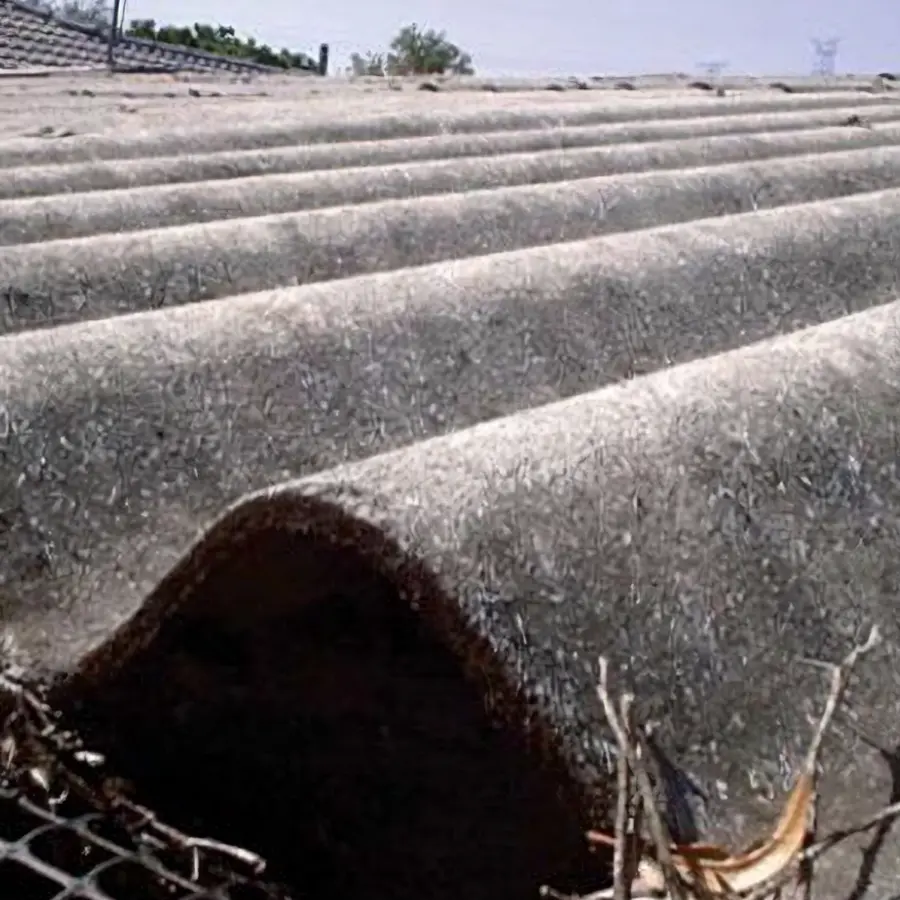
Each year, around 4,000 Australians die from diseases caused by past asbestos exposure — more than three times the annual road toll.
This silent killer leaves a devastating mark on families and communities, with Australia recording one of the highest rates of mesothelioma in the world.
The legacy of asbestos in Australia is profound and tragic. Mining of asbestos began in Australia in the 1940’s and continued until the mid 1980’s. An estimated 1.5 million tonnes was also imported between 1930 and 1983. Any building or infrastructure built or renovated during this time is likely to have asbestos material in some form.
Its versatility meant it was used in over 3,000 products across industries in Australia until it was phased out in the mid 1980’s.
Australia was one of the highest users of asbestos in the world until it was banned in December 2003.
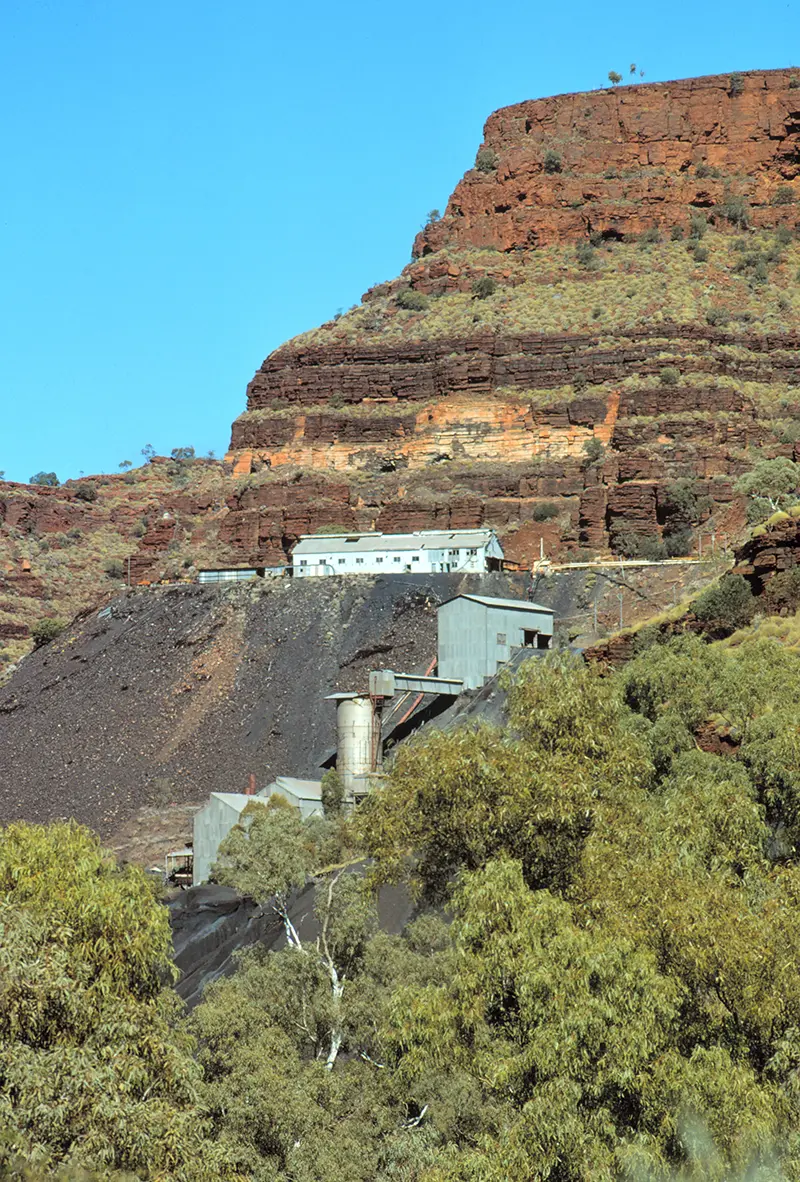
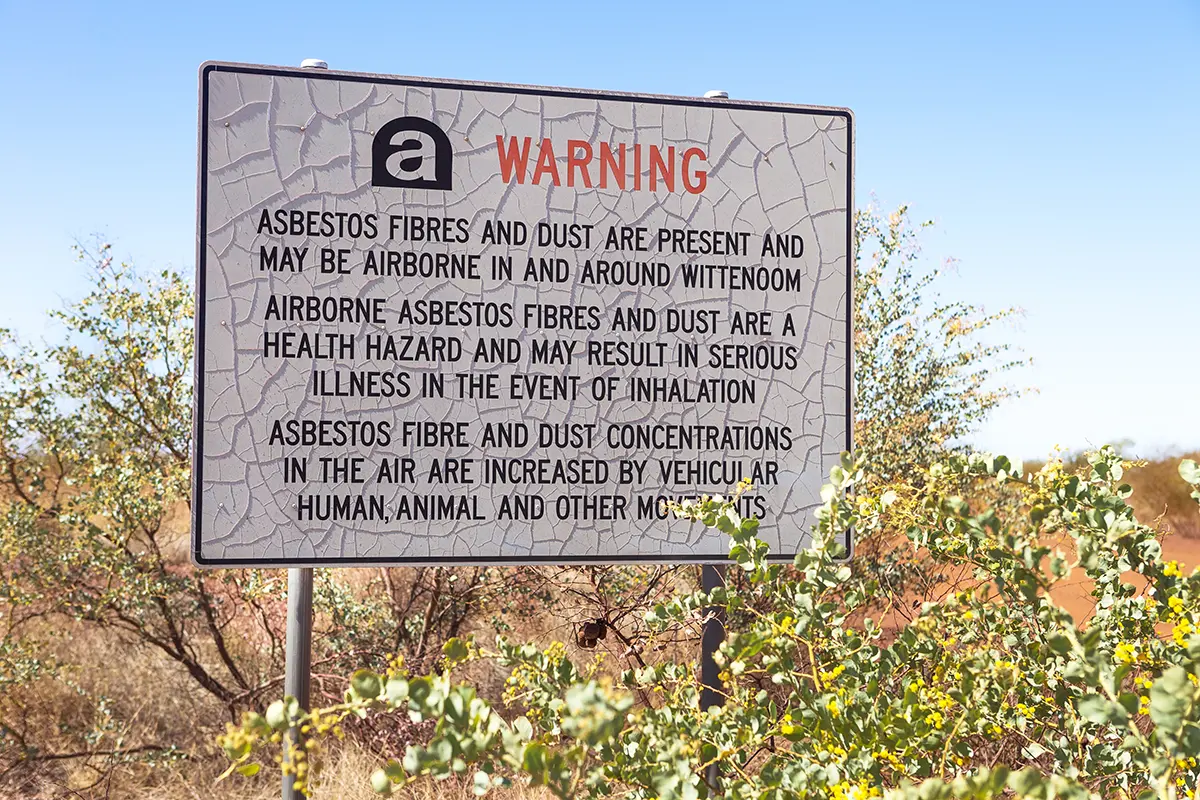
Western Australia (WA) has the most in-situ asbestos of all the Australian states and territories. Asbestos was mined in the Wittenoom area from the 1930’s to the 1960’s. The ready supply of asbestos meant asbestos products were used extensively in WA.
WA has the highest rate of mesothelioma in Australia, and one of the highest rates in the world. Western Australia carries an undue burden of mesothelioma with 3.2 cases per 100,000, compared with the national average (2.2), the UK average (2.90), and 0.49 cases per 100,000 globally (Source: Australian Institute of Health and Welfare).
With so much asbestos still in place across WA, it's important to know what to look for. WorkSafe WA's 'Asbestos in Western Australia' portal offers practical information about asbestos in homes, workplaces and public areas, and how to manage the risks.
If you know or believe you may have been exposed to asbestos, you can record your details on the Australian Government’s National Asbestos Exposure Register (NAER). It is voluntary, secure and privacy-protected. As there is often a long gap between asbestos exposure and the development of an asbestos-related disease, recording your exposure means accurate details are on file if a disease develops in the future.
We are fortunate in Western Australia to have some of the world’s leading experts in asbestos disease research based at the National Centre for Asbestos Related Disease (NCARD). While NCARD works to continually improve treatments for mesothelioma, it is important we continue to do all we can to minimise the risk of exposure to asbestos through awareness in the building and construction industry, and with DIY home renovators.
I'm proud to be a third-generation builder. But I'm also impacted by asbestos disease, my dad passed away prematurely as a result of mesothelioma. Our community and importantly our industry still requires greater awareness and education to dramatically reduce levels of asbestos disease. That is why I do what I can to assist in reducing the impact of this insidious disease.



Website designed by c4 Digital Agency