Asbestos is a naturally occurring, fibrous mineral. It was known as the Miracle Mineral of the Middle Ages as it is cheap, strong, fireproof, soundproof and a very effective insulator. Due to its excellent durability, it was widely used in building materials and other products for decades.
What wasn’t made known until the mid-80’s is that asbestos is a carcinogen. Exposure to asbestos can put you at risk of developing disease such as asbestosis, lung cancer, pleural plaques and the terminal cancer, mesothelioma.
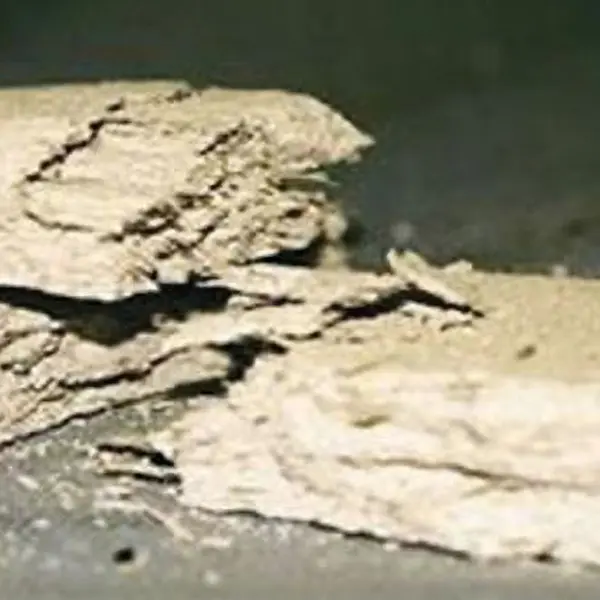
Friable asbestos is a material that is flaky, and can be easily crumbled or reduced to powder by hand pressure. This type is extremely hazardous as the asbestos fibres can be easily released into the air and inhaled.
Source: Asbestos and Silica Safety and Eradication Agency (ASSEA)
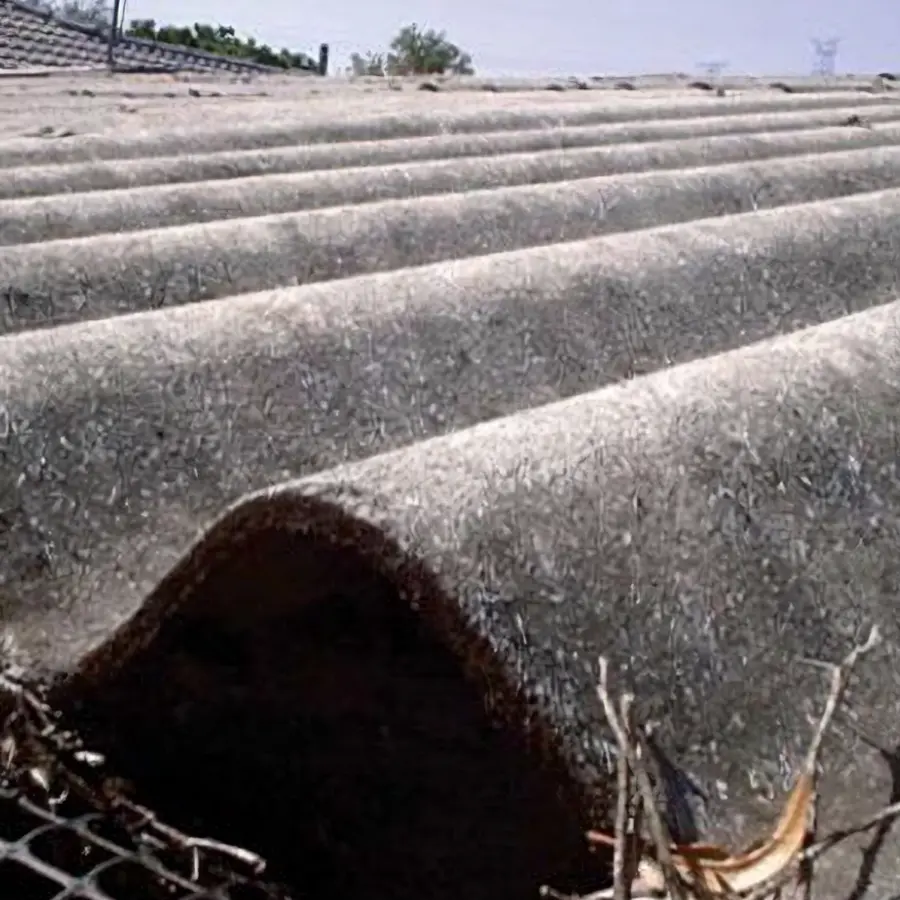
Non-friable asbestos is defined as asbestos-containing materials (ACM's) where the asbestos fibers are tightly bound or bonded with other materials, such as cement. This binding makes them more stable and less likely to become airborne compared to friable asbestos. Non-friable asbestos can be hazardous if disturbed (sawn or drilled into), damaged or deteriorating, releasing fibres into the air.
Source: Asbestos and Silica Safety and Eradication Agency (ASSEA)

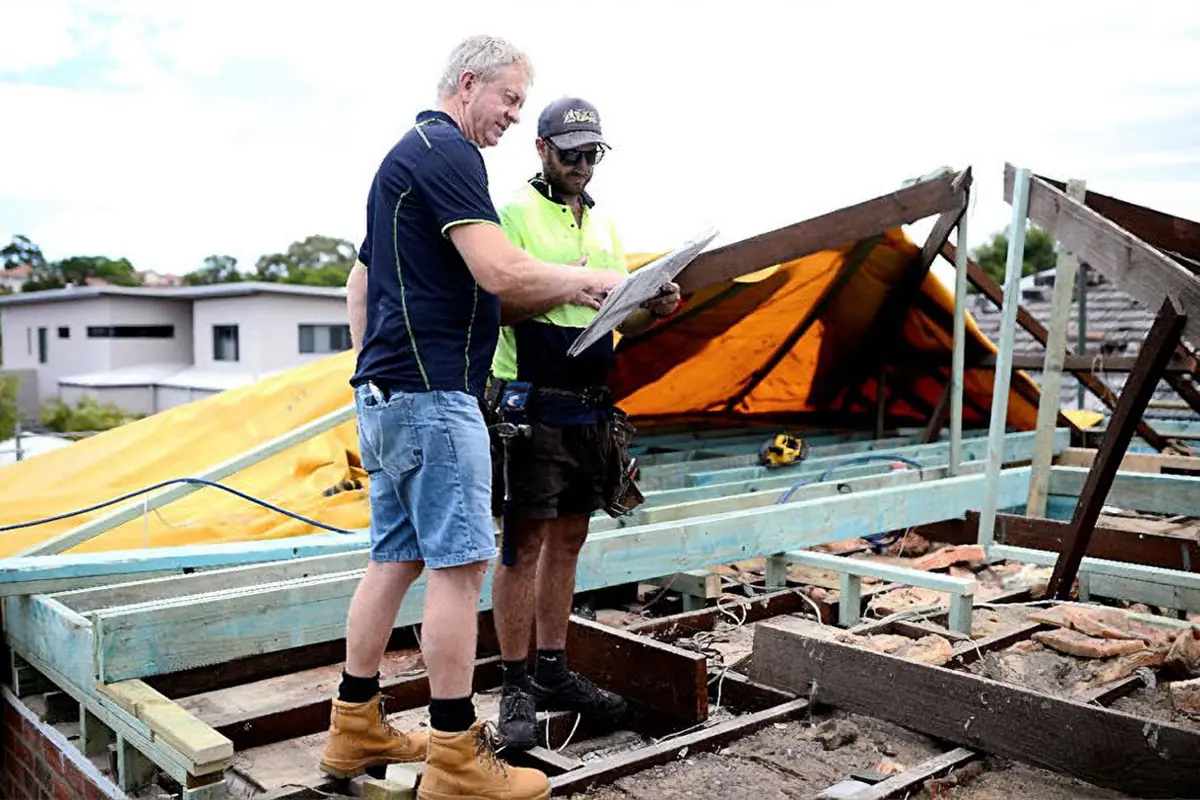
In the past, asbestos exposure was mostly an occupational problem. These days the people at most risk are home renovators and the next generation of tradies.
Asbestos can cause terminal cancer, or other serious asbestos-related diseases.
You can’t see, smell or taste it and there is no known safe level of exposure to asbestos. The average age of first exposure to asbestos is 23 years old, for those who have developed mesothelioma.
Asbestos products are considered relatively harmless as long as they are in good repair and left undisturbed. However, most asbestos containing materials (ACM’s) are now at end of life, which means they are degrading and are not necessarily safe.
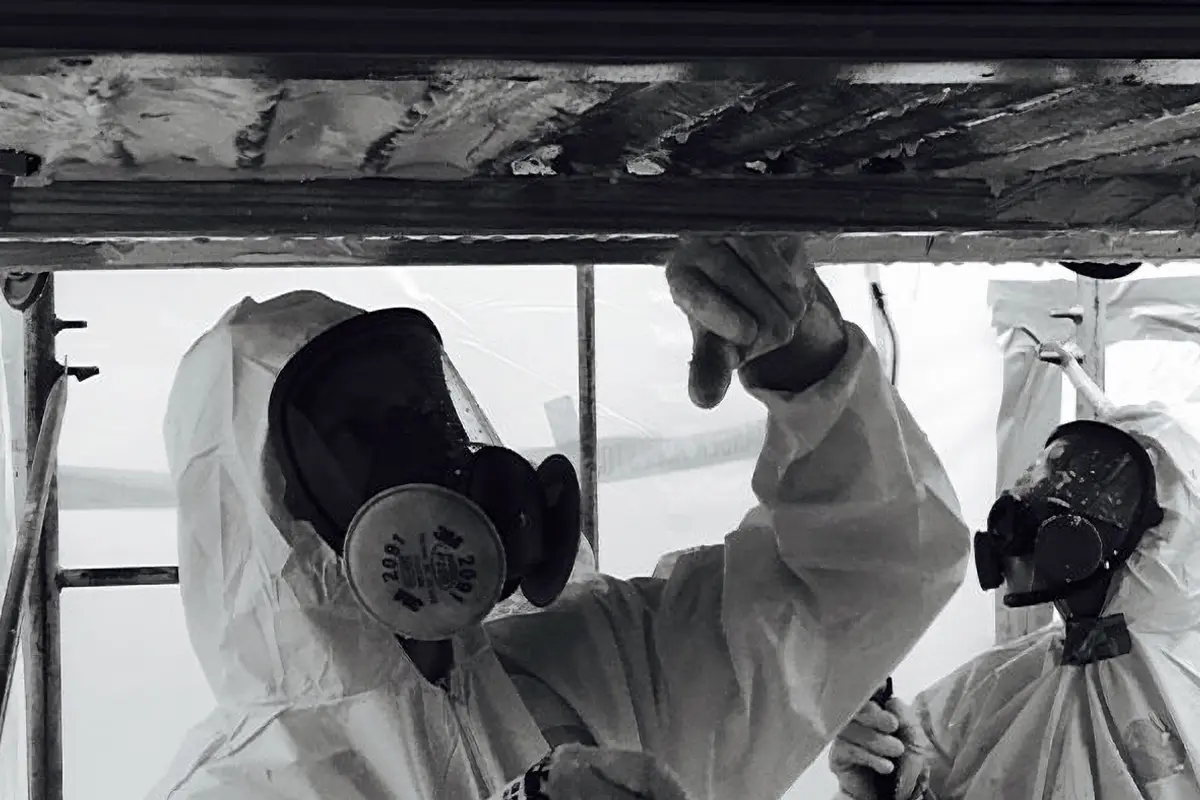
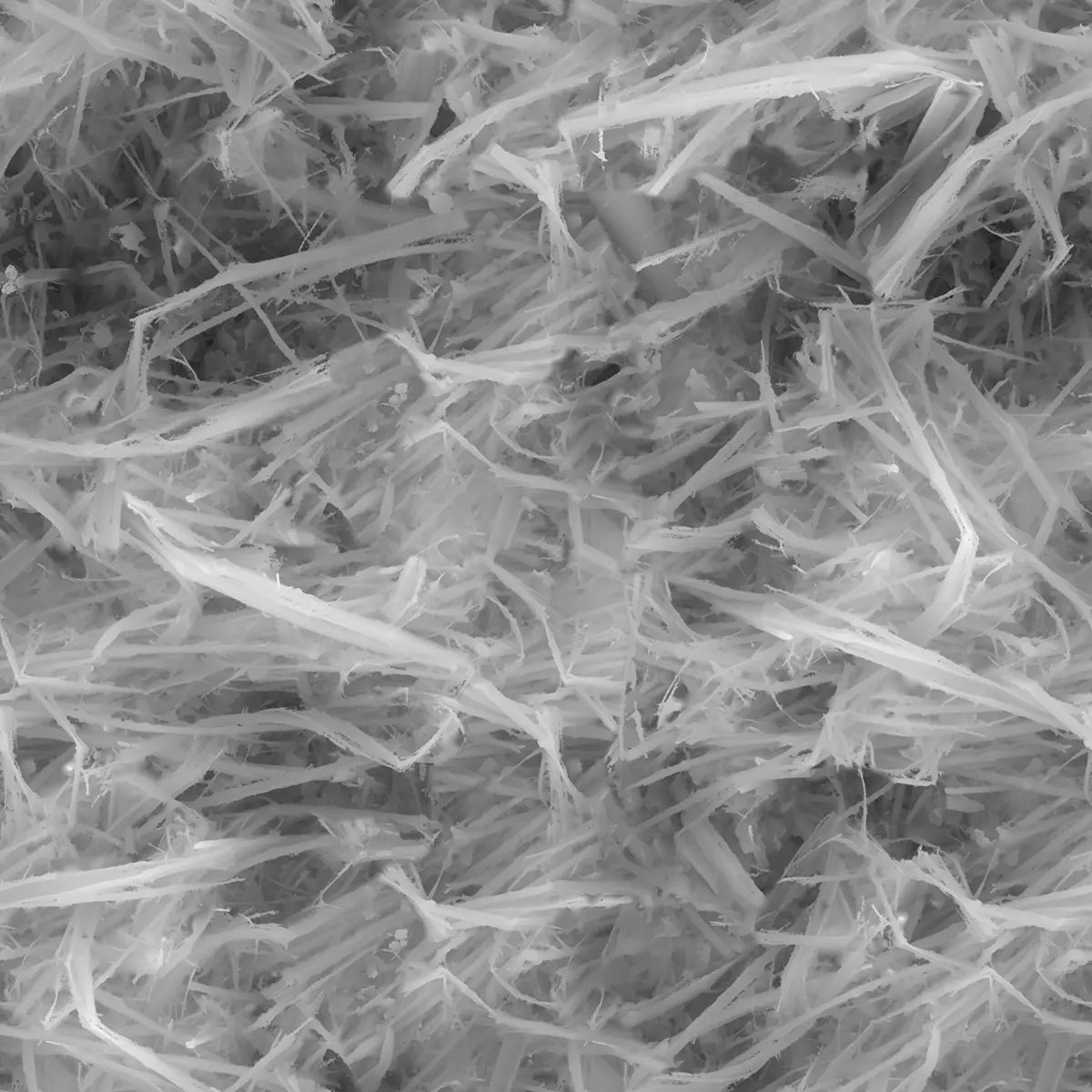
When mined and processed, asbestos is typically separated into very thin fibers. An individual asbestos fiber is 50 to 200 times thinner than a human hair, is invisible to the naked eye and has no smell. Asbestos fibers are extremely durable and being so small they can easily be inhaled or swallowed. The fibers are barbed like fishhooks, if they lodge in tissue they cannot come out, only bury in further. If asbestos or asbestos containing material is disturbed, it forms a dust that contains asbestos fibers. Asbestos becomes a health risk when fibers are released into the air and are inhaled or consumed.
In Australia, we are all exposed to low levels of asbestos in the air we breathe every day. Ambient or background air usually contains between 10 and 200 asbestos fibres in every 1000 litres (or cubic metre) of air (equivalent to 0.01 to 0.20 fibres per litre of air). This means we may breath up to 5000 fibres per day. However, it is extremely rare to get an asbestos-related disease from this level of exposure. While this level of exposure is generally low and does not significantly increase the risk of developing asbestos-related diseases, certain activities that disturb asbestos, or where friable asbestos is present, can significantly increase the number of air-borne fibers and pose a much greater risk.



Website designed by c4 Digital Agency