About Us

Our Impact

Advocating for a safer WA

Western Australia carries one of the highest rates of mesothelioma in the world. MADDA exists to respond to that reality on two fronts: supporting the individuals and families living with a diagnosis today, and working to prevent the exposure that causes it.

MADDA has provided this support since 2015, when the organisation was known as Reflections. In that time, our nurse-led team has supported patients, carers and bereaved families across Western Australia, including in regional communities.

We work alongside medical professionals, industry organisations, and unions who have committed their ongoing support to our vital work. 

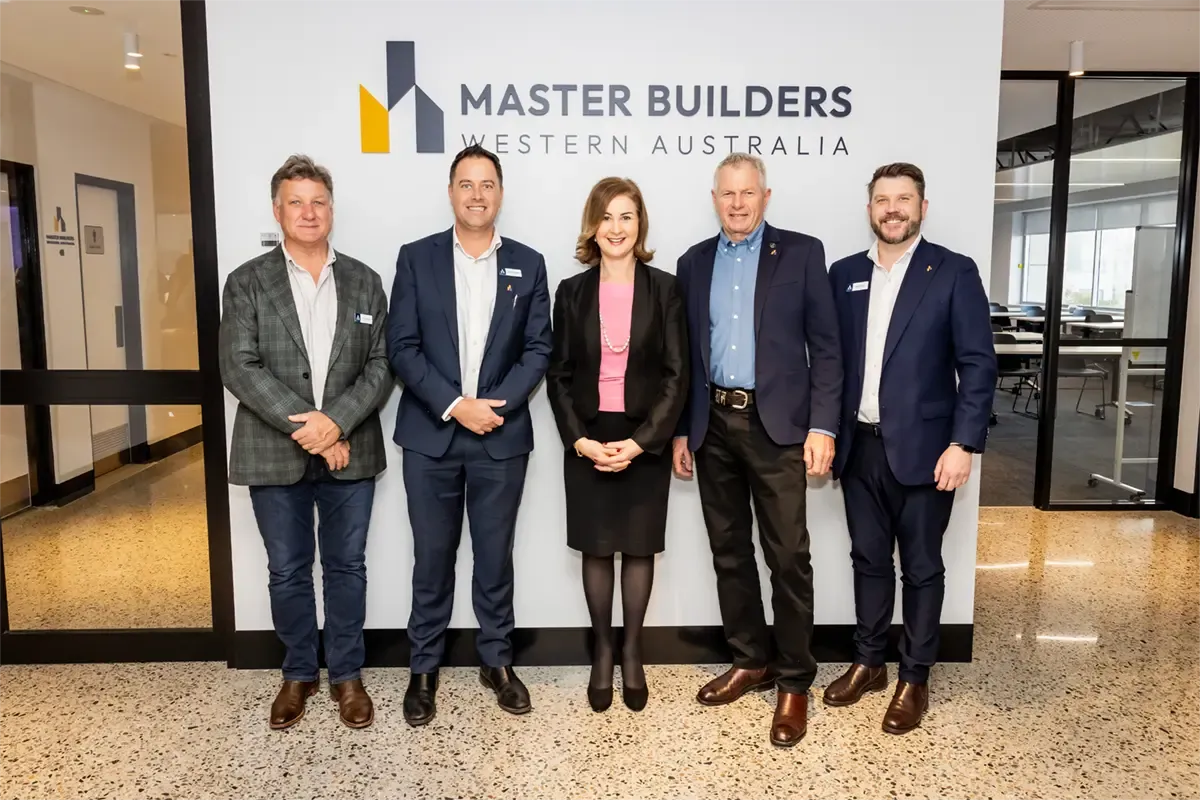
Pictured left: Dan Perkins, Managing Director of Perkins Group of Companies; Glenn Raphael, President of Masters Builders Western Australia and Regional Director of Multiplex; Cate Harman, Managing Director of MADDA; Robert Shaw, President of Master Builders Australia, and, Matt Moran, CEO of Master Builders Western Australia.

WA records 4.2 mesothelioma cases per 100,000 people, compared to a national average of 2.2, 2.9 in the United Kingdom, and a global average of 0.49 (Australian Institute of Health and Welfare, ‘Mesothelioma in Australia’ 2022).

Between 700 and 900 Australians are diagnosed with this cancer each year, almost exclusively as a result of asbestos exposure, at an estimated cost to the national health system of $50 million annually. There is still no dedicated mesothelioma support nurse or care navigator within Western Australia's public health system. MADDA’s specialist nurse-led support model helps fill this gap.

Scroll down to hear directly from some of WA's medical, industry and union leaders who support MADDA's work to reduce the impact of asbestos on our communities. 

MADDA's work is built on partnership. We work alongside government, industry and the medical specialists treating this terminal disease, reflecting the shared responsibility required to address both the current and future burden of mesothelioma in our state.

Our specialist nurse works directly with respiratory physicians, oncologists and other specialist nurses across WA, and acts as the single point of contact between a patient and their treating team.

We have also worked with training organisations to embed asbestos awareness into Certificate II trades training, reaching apprentices before they are put at risk.

This advocacy work aligns with WA's priorities for cancer care: earlier identification of risk, better coordinated care, and a system capable of sustaining that support long term.

Scroll down to see why WA's medical experts, industry leaders, and unions continue to support MADDA's critical work. 

MADDA's support model is nurse-led, statewide and free, and it doesn't ask anything of the person receiving it. There's no claim to sign and no compensation process to navigate first. Every mesothelioma patient in WA can access a MADDA nurse, regardless of their circumstances.

Support starts at diagnosis and continues through treatment, palliative care, and after death for the family left behind. Our specialist nursing service includes home visits, where we take the time to understand the home situation, and the specific needs of the patient and carer, allowing us to provide more helpful support.

We help patients come to terms with their diagnosis, understand what to expect, manage symptoms, and plan for end of life decisions such as advanced care planning and voluntary assisted dying.

Families who've lost someone stay connected to MADDA afterwards, through ongoing bereavement support and a peer group of others who have the same lived experience.

We've also published The Hope Companion, a disease-specific resource written with people who've lived through a mesothelioma diagnosis themselves. It's free for every patient and carer in WA, and it matters most for families in regional areas who often don't have a specialist near them.

A mesothelioma diagnosis places significant demands on the individual and the health system responsible for their care, and MADDA's model is designed to ease both.

No family should have to face mesothelioma without the kind of support that MADDA provides.

  • Kevin, family member - supported his brother Frank who had mesothelioma

[She] arrived on my doorstep hours before my husband passed away. She helped me see I would survive and I wasn't alone. I only wish I had known about MADDA sooner.

  • Jo, partner — husband passed from mesothelioma in 2022

MADDA do not charge for the support they give, but what they have given me is priceless. They gave me back some hope.

  • Brigitte, diagnosed with mesothelioma

Without the group's support, I imagine I would feel confused and alone. I am truly thankful that I contacted them.

  • Geoff, diagnosed with mesothelioma

Planning and having open discussions ahead of time was priceless. This gave Greg peace knowing that he had been heard. It also gave me clarification and strength at the time I needed it most.

  • Lidia, partner - supported her husband Greg through his mesothelioma diagnosis

It is great that there is awareness and support for people with mesothelioma. Thank you to everyone out there that has directly helped my Mum. You are working for a great cause.

  • Louise, family member – her mother passed away from mesothelioma in 2018

What WA's medical specialists and industry leaders say about MADDA

WorkSafe WA

Importantly, MADDA provides a specialist, nurse-led support service for individuals and families affected by mesothelioma and other dust diseases. This model delivers not only practical care coordination and system navigation, but also vital psychosocial support. Individuals facing a mesothelioma diagnosis, and their family, often experience significant psychological distress, anxiety, and uncertainty alongside their physical illness. MADDA’s ongoing engagement with patients helps address these mental and emotional impacts, supporting wellbeing, dignity, and quality of life throughout the course of the disease.

Sally North – WorkSafe Commissioner, Western Australia
Professor Fraser Brims – MBChB MD FRACP FRCP (London) FThor GAICD

Sir Charles Gairdner Hospital

WA has the highest incidence of mesothelioma per capita in the world. Statistical modelling projects a continued burden of mesothelioma for decades to come in Australia. In WA, there are currently no funded mesothelioma-specific support nurses or care navigators within the health system, representing a clear and significant gap in service delivery. By contrast, the United Kingdom (with a lower incidence per capita of mesothelioma compared to WA) has 30 funded specialist mesothelioma nurses.

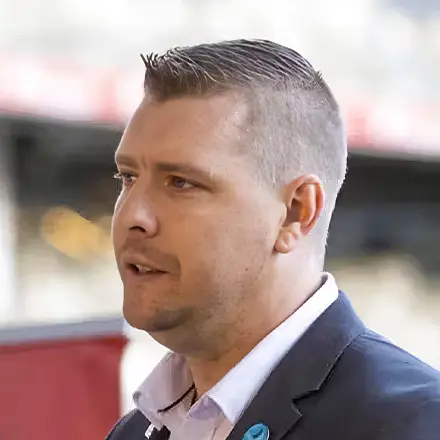
Master Builders Association of Western Australia (MBAWA)

Workers diagnosed with this disease face complex medical, emotional, and practical challenges, often with limited coordinated support available. MADDA’s nurse-led support service fills this critical gap.

By providing care navigation, advocacy, and psychosocial support, MADDA supports patients to better manage symptoms, access appropriate services, and navigate care pathways.

From an industry perspective, this service is invaluable. It ensures that workers who have contributed to building our state are supported with dignity and care when facing life-limiting illness.

Matt Moran – Chief Executive Director
Associate Professor Wei-Sen Lam – MBBS FRACP MHA

Fiona Stanley Hospital

MADDA provides a critical and highly valued service that addresses this unmet need. Their nurse-led support model offers care navigation, patient advocacy, and psychosocial support, helping individuals and families better understand their diagnosis, access appropriate services, and make informed decisions throughout their care journey. From a clinical perspective, this support enhances coordination of care, improves patient experience, and helps ensure that patients are connected to the right services at the right time.

Housing Industry Association (HIA) Western Australia

Our members are regularly engaged in construction, renovation, and maintenance activities where asbestos and hazardous dust exposure remains an ongoing risk, particularly in older housing stock. 

In addition to supporting those affected, MADDA plays a key role in raising awareness of asbestos risks across the community and industry. Their work with training providers and industry stakeholders contributes to improved understanding of safe practices and helps support ongoing efforts to reduce exposure.

From a residential construction perspective, this work is critical. The majority of asbestos-containing materials are found in older homes, and ongoing education and awareness are essential to protecting both workers and homeowners.

Michael McGowan – Executive Director – Western Australia
Emeritus Professor Lyn Beazley – AO FAA FTSE

Former Chief Scientist for Western Australia

Western Australia experiences a disproportionately high incidence of mesothelioma compared to national averages, underscoring the need for both effective prevention strategies and appropriate support for those affected. 

In this context, MADDA provides a unique and highly valuable contribution. The nurse-led support service delivers care navigation, advocacy and psychosocial support to individuals and families form diagnosis through to bereavement. The model addresses a clear gap within the current system, particularly in Western Australia where, within the public health system, there are no dedicated mesothelioma support nurses. 

Master Plumbers and Gasfitters Association of Western Australia (MPAWA)

Our members work daily in environments where exposure to asbestos and hazardous dusts remains a real and ongoing risk, particularly in renovation, maintenance, and demolition work. 

MADDA plays an important role in both supporting those affected and preventing future disease. 

In addition, MADDA is leading important work in prevention. Through training, awareness campaigns, and advocacy across industry and government, they are helping to drive cultural change around asbestos and dust exposure. Prevention is the only way we will stop future generations from suffering the same outcomes.

Murray Thomas – Chief Executive Officer
Professor Anna Nowak

The University of Western Australia Medical School

Patients with mesothelioma often require highly coordinated care across multiple specialties, alongside clear access to disease-specific information and sustained psychosocial support. Evidence from both clinical practice and research highlights the value of structured care navigation models, particularly for people with rare and complex cancers, where fragmentation of care can be common.

Civil Contractors Federation Western Australia

From a civil construction perspective, this work is vital. Our industry is at the forefront of interacting with legacy materials in the built environment, and continued education and advocacy are key to reducing exposure risks. At the same time, ensuring that affected workers and their families receive appropriate support is a shared responsibility across industry and government.

Andy Graham – Chief Executive Officer (WA)
Kylie Oliver – Service Director

North Metropolitan Health Service

From a clinical nursing perspective, the value of this service cannot be overstated. MADDA supports patients to better understand their diagnosis and care pathway, assists with coordination across services, and provides continuity of support beyond what is currently possible within existing health system resources. This not only improves the patient and carer experience but also supports more effective and efficient use of health services.

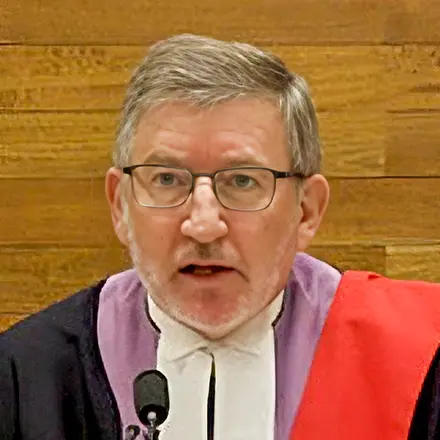
Former Chief Judge of the District Court, Western Australia

As a former personal injury lawyer and, and later as a Judge of the District Court, I was aware that persons suffering from major illnesses required considerable assistance in coordinating and meeting their medical needs. I decided to contact MADDA for support and guidance of my brother [Frank, diagnosed with an aggressive form of mesothelioma in late 2025].

MADDA’s nurse-led support service provided invaluable assistance to my brother, his wife, and myself during the difficult time of Frank’s illness. Their compassion, guidance, and advocacy removed much of tour anxiety as we navigated the various arms of medical services. 

MADDA continues to be available to provide support to Frank’s wife following his death. 

Kevin Sleight – Former Chief Judge of the District Court
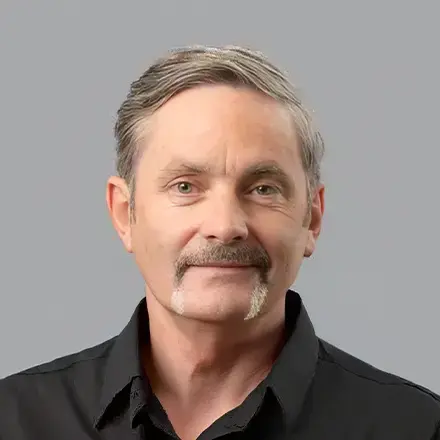
Mick Buchan – Secretary

Construction, Forestry, Mining & Energy Union of Workers (CFMEU WA)

The legacy of asbestos in Western Australia is tragic and profound. WA records one of the highest rates of mesothelioma in the world, at 4.2 cases per 100,000 people compared to the national average of 2.2. Each year, between 700–900 Australians are diagnosed with this aggressive terminal cancer, with asbestos exposure being the only known cause, and national health system costs estimated at $32.1 million annually. MADDA provides a vital, worker-focused service that fills a critical gap in the current health system.

MATES in Construction

As an organisation working at the frontline of the building and construction industry, we see firsthand the ongoing risks associated with asbestos and hazardous dust exposure. Despite increased awareness, asbestos remains prevalent across Western Australia’s built environment, and the legacy of past exposure continues to have devastating consequences for workers, their families, and the broader community. MADDA plays a critical and unique role in addressing both the prevention and impact of dust diseases, including asbestos-related disease.

Liam Cubbage – Chief Executive Officer
Robert Wallwork – Chief Executive Officer

Construction Contractors Association of Western Australia

MADDA’s work in advocacy and awareness plays an important role in raising awareness and promoting safer practices across industry, particularly through collaboration with training providers, industry bodies and government. This work is vital to reducing future exposure risks, and reducing harm from these preventable diseases.

Australian Workers’ Union

MADDA provides a critical, worker-focused service that supports individuals and families facing a mesothelioma diagnosis. Their nurse-led support program offers care navigation, advocacy, and psychosocial support—helping people understand their options, access appropriate services, and navigate a complex health system. In Western Australia, where there are currently no dedicated mesothelioma support nurses within the public system, this service fills a significant gap.

Brad Gandy – Branch Secretary

Hear more from MADDA

Sign up to our newsletter for latest updates
Founded in 2015, Mesothelioma and Dust Diseases Australia Ltd (MADDA) raises awareness of the risks of asbestos and supports people with mesothelioma.
Reducing the impact of asbestos
Mesothelioma and Dust Diseases Australia Ltd (MADDA) is a registered charity with the Australian Charities and Not-for-profits Commission
(ACNC) ABN 57 605 192 710
© 2026 Mesothelioma and Dust Diseases Australia Ltd (MADDA)

Website designed by c4 Digital Agency

Close